
Annihilated Best Partner: First-Run Tier List
A first-run tier list for Annihilated's four partners, ranked by forgiveness, sustain and story hook, with the criteria and who should ignore it.
Quick answer: For a first run, the Priest is the safest carry because healing is the scarcest resource, followed by the Hero for survivability. The Mage is the information pick and the Warrior is the wildcard. This ranking measures forgiveness and story access, not combat damage, and every partner can finish the game.
Tier lists for a game with four authored routes are always partly a lie. There is no weak partner, only a partner whose route asks more of you. So this list states its criteria up front and ranks accordingly.
What criteria does this tier list use?
Three axes, weighted for a first playthrough:
- Forgiveness (50%): how much room the partner gives you to make mistakes in the break-and-finisher loop.
- Resource relief (30%): whether the partner solves healing, information or damage without spending cards.
- Story hook (20%): how much the route's premise makes you want to keep playing for six hours.
A tier list weighted for a second run would look different. A tier list weighted for the strangest story would put the Warrior first.
Who is the best partner in Annihilated?
S tier: Priest
The Priest is the strongest first pick because healing is the resource the combat economy squeezes hardest. Every item is a card with limited uses, so a partner who heals without consuming your Potion supply changes how many floors you can clear between breaks.
The cost is tone. The Priest's faith has moved to the Great One, and the dialogue that follows is meant to be unsettling. If you want comfort, the mechanics are comforting and the story is not.
A tier: Hero
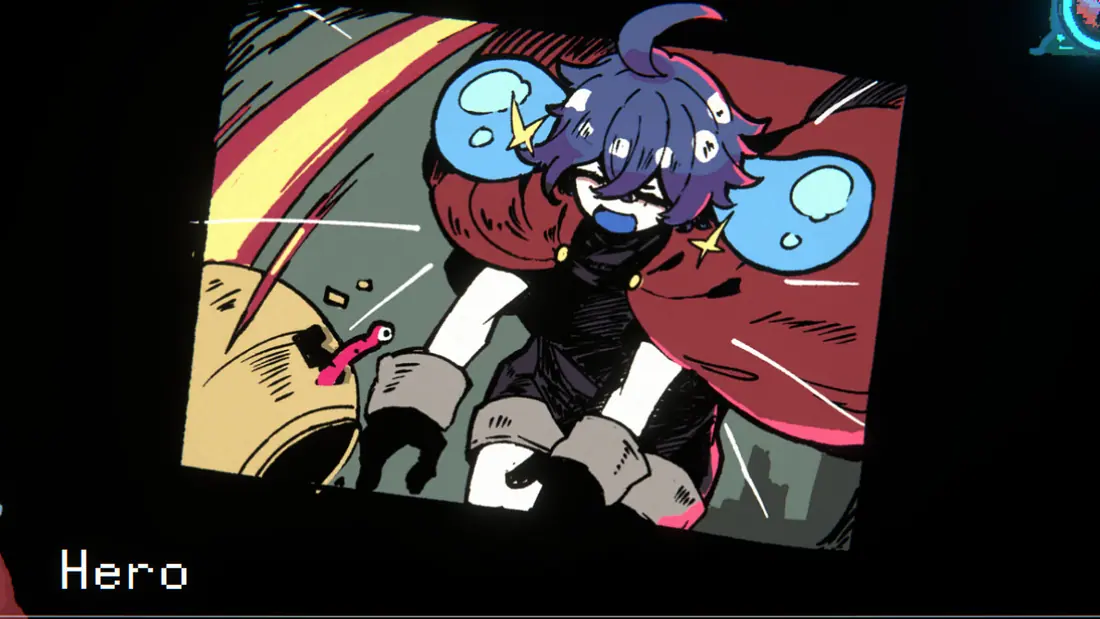
The Hero is the survivability answer. The store's line is that the Hero shrugs off death, which is exactly the trait a new player needs while learning telegraphs. The Hero also cannot speak beyond yes and no, which makes the route's conversations unusual by design.
Hero is the pick if you want the most traditional "carry the wounded hero" arc with the most mechanical slack.
B tier: Mage
The Mage lost magic but kept knowledge. That makes the route the most informative and the least mechanically generous: information helps you plan, but it does not heal a bad turn.
Mage is the pick for a player who wants to understand the dungeon's rules and does not mind solving fights with the deck rather than the partner.
C tier: Warrior
The Warrior is a soul in a doll, and the route leans into that absurdity. Mechanically, the Warrior is the aggression pick; the tier placement reflects first-run risk, not a bad route.
Warrior is the pick for a second run, or for a first run by someone who wants the strangest version of the story and accepts a rougher combat curve.
Why is the Priest above the Hero?
Because healing compounds. The Hero prevents one kind of loss, the death of the frontline. The Priest prevents the whole party from running out of recovery, which is the more common failure in a card economy.
If you play timing style and rarely miss inputs, the gap narrows. If you play probability style, the Priest's consistency is worth more, because the wheel adds variance the Hero cannot cancel.
Does the tier list change after the first boss?
Yes. The first boss teaches stagger, and the tier list is about the first six hours. Once you understand the break loop, the Hero's forgiveness matters less and the Mage's information matters more.
If you are already comfortable with the demo's boss, ignore the top of this list and pick by story. You have the mechanical vocabulary the ranking assumes you lack.
Which partner should you avoid on a first run?
None. The honest answer is that the Warrior is the roughest first pick and the Priest is the smoothest, and the gap between them is smaller than the gap between a good deck and a bad one.
Do not avoid a partner because a tier list says C. Do avoid picking a partner you find irritating, because you will hear them for six hours.
The store describes all four routes as complete stories. A tier list ranks first-run comfort, not canonical strength.
Official source: Annihilated on Steam ↗
How should you use this ranking?
Use it to break a tie, not to make the decision. The order of operations:
- Read the four route premises in the partners guide→.
- Pick the one you would watch a six-hour movie about.
- If two are tied, take the higher tier for combat comfort.
- If you still cannot decide, take the Priest and learn the systems.
The route you pick is the story you get. The tier list only tells you which story is easiest to survive.
What about endings?
The store says the ending depends on how you feel and on the trust, doubt or dependence that grows with your partner. That means the tier list cannot rank endings; it can only rank the road to them.
A "best" ending is a matter of what you want the story to say. The game does not label one route as the true path, and the four routes are written as complete stories rather than fragments.
If you want the story reasoning behind the ranks, the endings guide→ and the characters page→ go deeper.
FAQ
Is the Priest the best partner in Annihilated?
For a first run, yes by this criteria set, because healing is the scarcest resource. For story, it depends on what you want.
Can you change partners after choosing?
No. The choice defines the route. A different partner means a new run.
Is the Warrior bad?
No. The Warrior is the roughest first pick on forgiveness and the strongest pick for players who want the strangest route. C tier here means "least forgiving", not "worst".
Does the tier list apply to the demo?
Partly. The demo lets you play all four as party members but does not show the route content, so the story-hook axis cannot be tested there.