
Annihilated Priest Route Guide: Faith and Healing
The Annihilated Priest route: a healer whose faith has moved to the Great One, the strongest sustain in the game, and the most unsettling story of the four.
Quick answer: The Priest route carries the party's healer, whose faith has shifted to the Great One after whatever happened in the dungeon. Mechanically it is the strongest sustain route; narratively it is the most unsettling, because the kindest voice in the party now believes something terrible.
The Priest is the easiest partner to recommend and the hardest to sit with. The healing is exactly as good as the store says. The theology is the problem.
What did the Priest lose?
Faith, in the sense the Priest understood it. What replaced it is devotion to the Great One, a presence the Priest speaks about with the same certainty the old faith used to provide.
The demo line is a clean example: "That guidance I felt in that instant, that is the power of the great one I believe in." It is said with warmth. It is also a sentence you would rather not hear in a cursed dungeon.
The route's horror is not that the Priest is lying. It is that the Priest is sincere.
How strong is the Priest in combat?
The store's claim is unambiguous: the Priest heals like no one else. In a game where every item is a limited-use card, a partner who provides healing without spending your Potion supply is the single most valuable sustain tool.
For a first run, that changes the resource math:
- You can spend more cards on stagger instead of carrying multiple heals.
- You can survive a misread telegraph without burning a Curse.
- You can afford to experiment with finishers earlier.
The trade-off is offense. The Priest does not solve the break for you; you still need a weapon that can stagger and a finisher that can seize. Healing buys time, not progress.
What is the Priest route about?
It is about what happens when the person who was supposed to hold the party's moral center finds a new center. The Priest did not become cruel. The Priest became certain, and certainty in a cursed place is its own kind of danger.
The store says the routes explore each partner's secrets and what actually happened to the party. The Priest route is the one where the explanation is most likely to make the situation worse rather than better.
Expect a story about dependence. The party needs the healer, the healer needs the Great One, and you need to decide how much of that chain you are willing to accept.
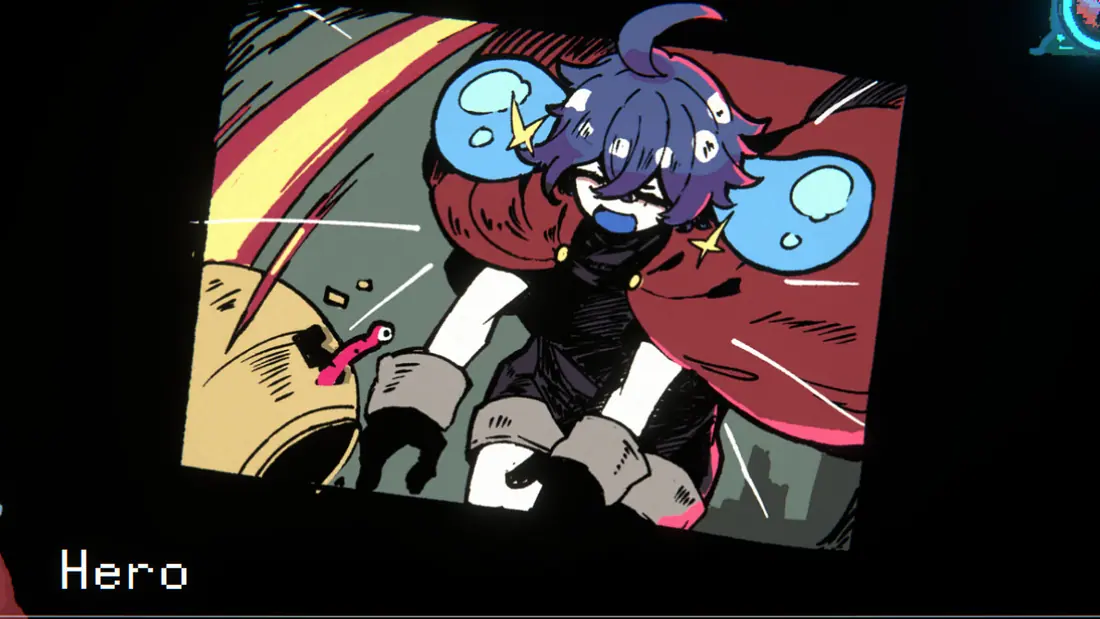
How should you play the Priest route?
Three habits:
- Use the healing to take risks. The Priest's value is wasted on a deck that guards every turn. Spend the safety on aggressive stagger turns.
- Still carry one backup heal. A partner can be disabled or separated by a scripted event, and a Potion is cheap insurance.
- Do not skip the conversations. The route's best material is in the quiet scenes, not the boss fights.
The Priest is the best route for a player who wants to learn the combat system without being punished for every mistake. It is also the route most likely to make you uncomfortable in the last hour.
Who should pick the Priest route?
Pick the Priest if:
- You want the most forgiving combat in the game.
- You like religious horror and unreliable certainty.
- You want the route that most directly interrogates the dungeon's premise.
Do not pick the Priest if you want a light party comedy. That is the Warrior's lane, and even the Warrior is not light for long.
Does the Priest route have unique mechanics?
The healing is the mechanic. No separate spell system or faith meter is confirmed. The route's uniqueness is the strength of the sustain and the tone of the story.
That means the Priest is a good route to play with either battle style. Timing players get more freedom to attempt risky finishers; probability players get a buffer against bad spins that does not cost Curses.
The Priest keeps the party alive, not immortal. A lethal telegraph still kills, and an instant-death trap does not care how good your healer is.
Official source: Annihilated on Steam ↗
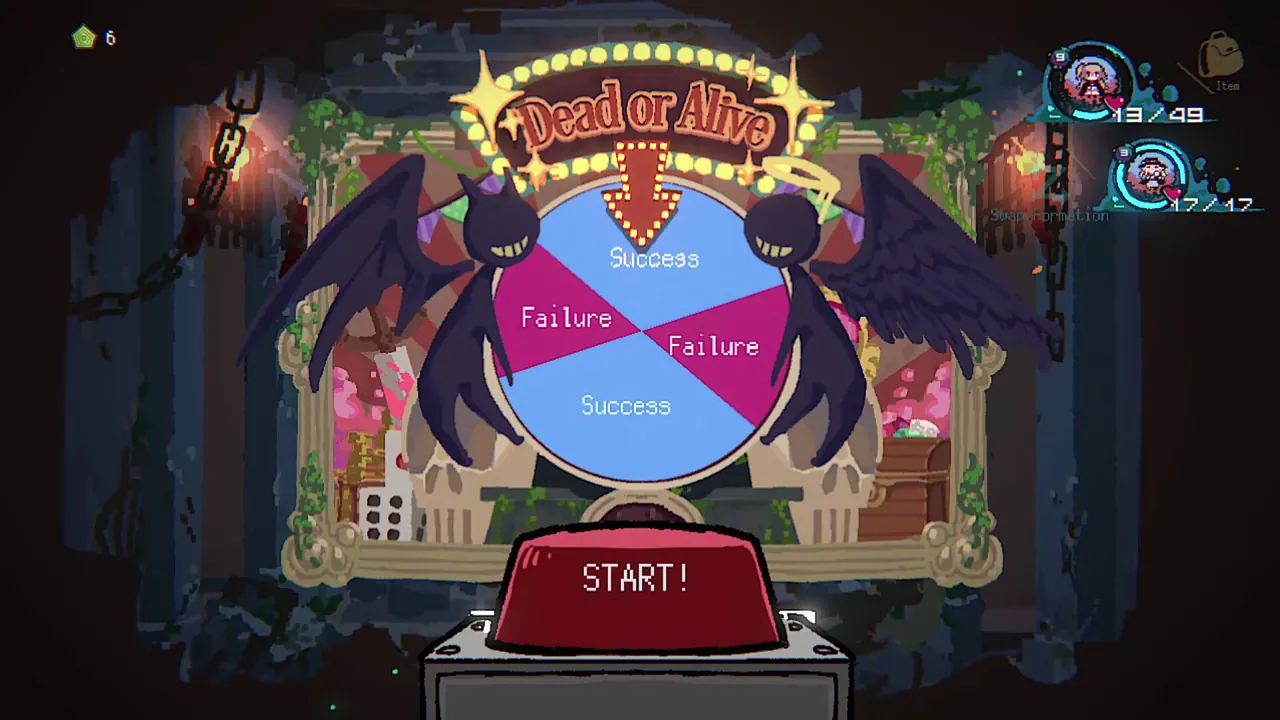
How does the Priest route handle endings?
The ending follows the relationship axis: trust, doubt or dependence, shaped by how you feel about your partner. The Priest route makes "dependence" the most loaded of the three, because the party's survival literally depends on the healer's gift.
A first run should decide what your character believes about the Great One and stay consistent. Hedging every conversation produces a muddled ending, and the route is written to reward commitment.
What is the Priest's relationship with the other partners?
The Priest was part of the hero's party. The other three are present in the dungeon on every route, and the Priest route does not require their stories first.
The interesting comparison is with the Hero route. Both are about carrying someone who cannot save themselves in the ordinary way; the Priest route asks whether being saved is the same as being helped.
The Hero route→ is the quiet alternative, and the endings guide→ explains how dependence is judged.
FAQ
Is the Priest the best healer in Annihilated?
The store says the Priest heals like no one else, which is as close to a definitive answer as the marketing gets.
Is the Priest route scary?
It leans into psychological horror and religious dread more than the other routes. It is not a jump-scare route; the unease is in the dialogue.
Can the Priest still use holy magic?
The Priest's faith has moved to the Great One, and the healing remains. The route does not describe a separate spell list.
How long is the Priest route?
About six hours, matching the other routes.